I made the robot buddy I always wanted. I’m having so much fun!
The project collects a lot of of ideas about personality design, voice UI, computer use workflows, etc.. It also uses OpenClaw for personality, skills, and multi-host networking; local models on my NVIDIA RTX 3090 for face detection, wake word detection, voice activity detection, and echo cancellation; and AI tool-calling for integration with emacs, SolveIt, tmux, macOS, and other workspace affordances.
It even led to me winning an NVIDIA GTC Gold Ticket, and it was run as a demo on the GTC exhibit floor for the conference.
Sign up to learn more:
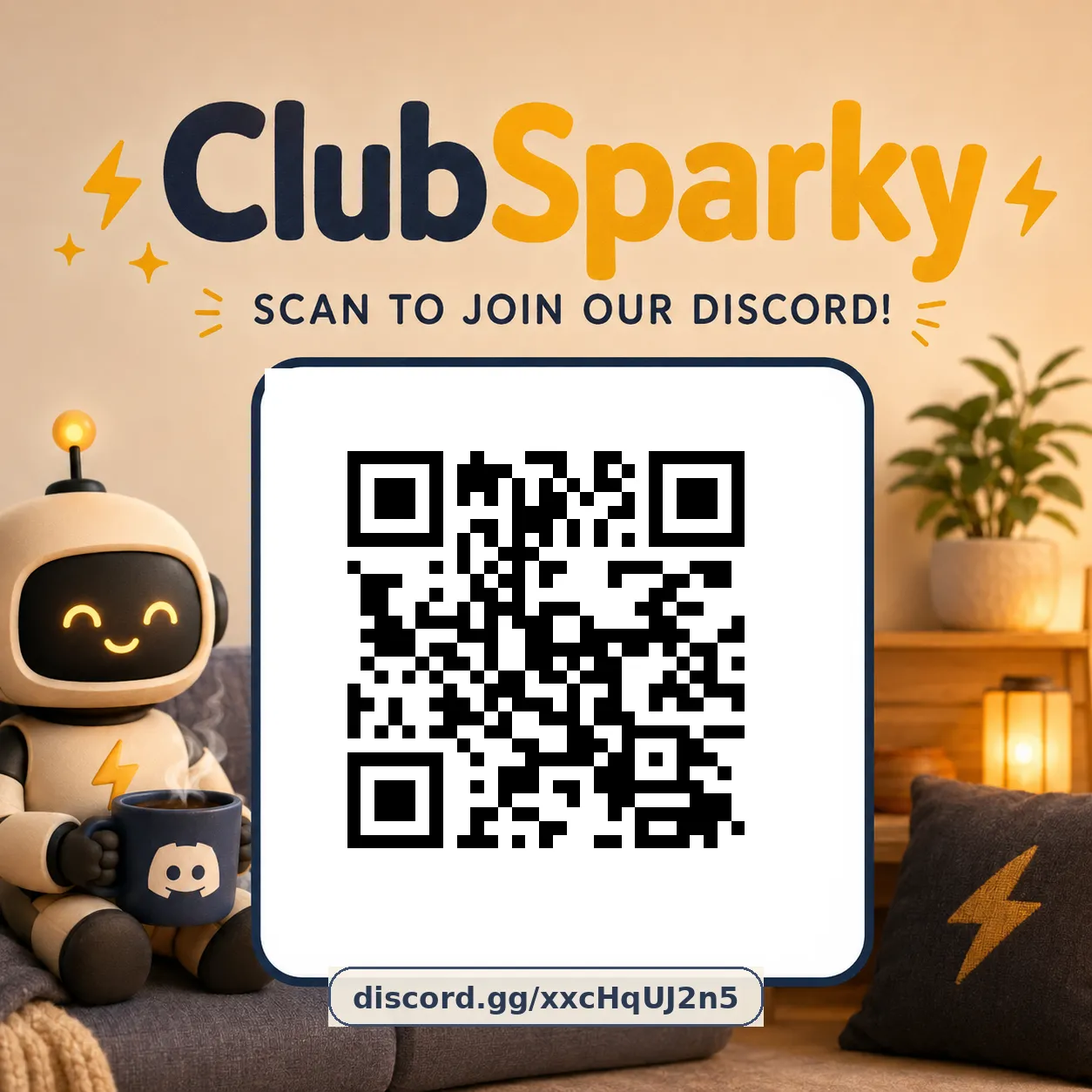
Of if you want to chat with me about Sparky, or setup a Sparky of your own, please join ClubSparky, my Discord Server: ClubSparky invite link.
To build a Sparky just like mine, you need a Reachy Mini Lite robot kit. However, you can also run the Sparky software without a robot body. To can run Sparky on a Raspberry Pi 5, relying on cloud servers. Or you can run it entirely offline, using a DGX Spark to run local AI models. And there are many configurations in between. If you are curious, ask! I am happy to talk to anyone who wants to talk about this kind of project.
Some more posts on Sparky and related technology:
- The Public Sparky Repo from mid-February. Ongoing work is in a private repo. Join the discord if you want to install your own!
- “My Robot Cares About Railway Stations” discusses his interests system.
- “A Latency Solution Disguised as Personality” discusses his wiggly antennas.
- “Lessons from OpenClaw” discusses the OpenClaw architecture, a note from before I started working on Sparky.
- “Sparky Is Not a Toy” explains the design choices which make Sparky useful, with an example working session writing.
- “Sparky at NVIDIA GTC” reflects on what I learned watching people react to Sparky at the NVIDIA GTC exhibition floor. I won a Golden Ticket to attend and NVIDIA used Sparky in a demo of their new NemoClaw technology.
- “Sparky Miles, from 1920” is what you get when you swap in an old-timey voice and a model trained on pre-1930 text.
- “Just introduce yourself: organic enrollment” is how socially-intelligent AIs should learn about people.
- Are local models strong enough? describes the jagged frontier of conversation with a 120b model
Hosted appearances:
- Private AI Lab: Meet Sparky: A Real-Life Jarvis with Alexis Gallagher
- Hamel Husain: Building an OpenClaw Robot You Can Work With
- MTJC Podcast: Robots, AI, and Cephalopods
Videos:
- A long slice of life video of Sparky with my family, and a playlist of more Sparky videos than you can shake a stick at.